Why Indian Slate Stone for Export is a Trending Topic Now?
Wiki Article
Selecting Indian Slate Stone for Projects: From Sample Approval to Installation Planning
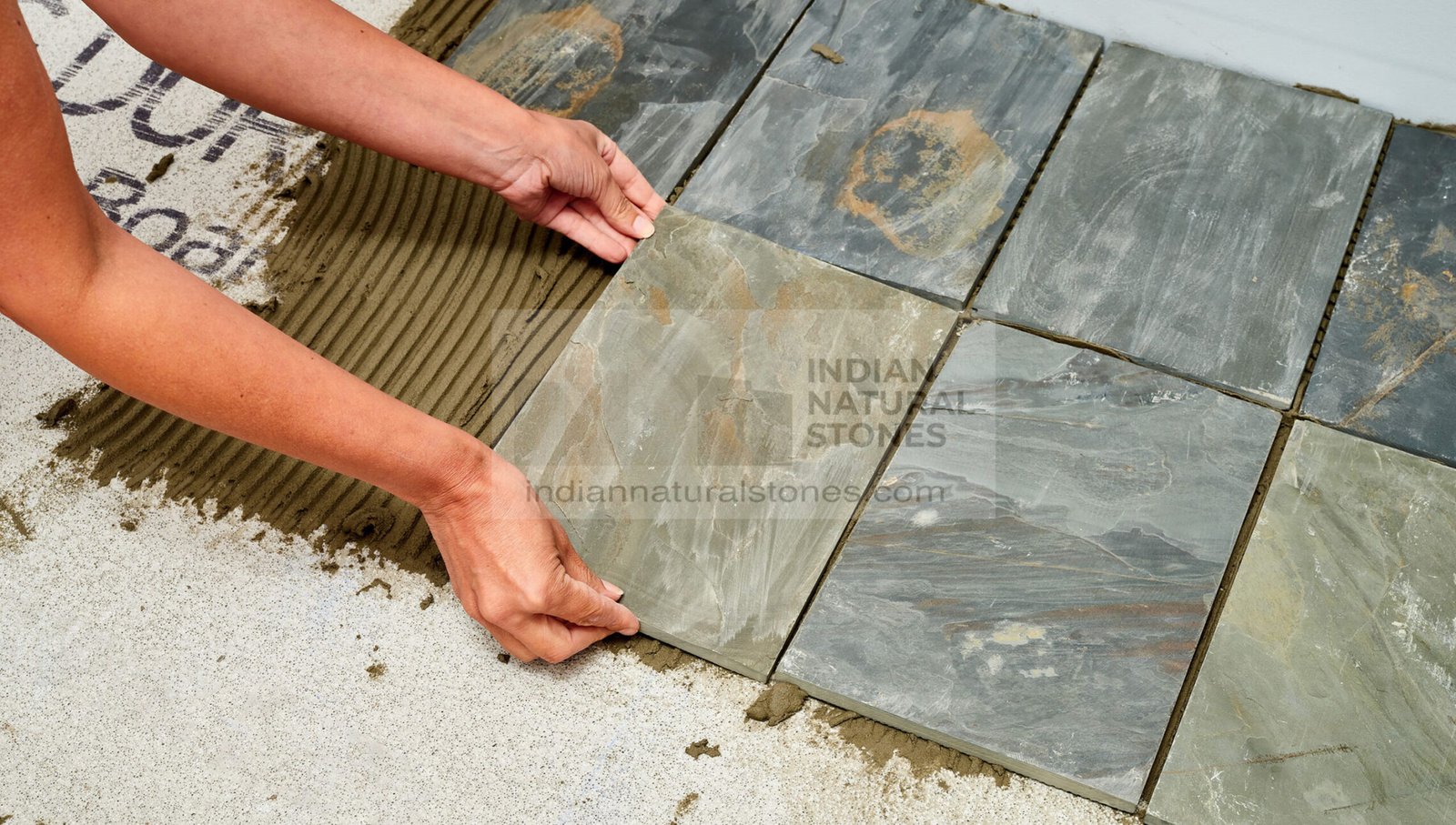
A sample of slate may appear attractive when displayed on a desk, but present an entirely different set of considerations once the identical material is delivered in multiple crates. Will the colours blend across a large floor? Will the differences in thickness remain practical for installation? Does the surface suit the intended setting? For businesses importing, distributing or buying stone for projects, these practical questions matter as much as the initial appearance. Making a successful Indian slate selection involves specifying what the delivered shipment must include ahead of the production process.
Indian slate offers varied colours, layered textures and formats for building design and landscape applications. Yet a stone's product name by itself cannot explain all its relevant characteristics. A clear purchasing brief connects appearance with dimensions, performance expectations, packaging and installation requirements. This approach helps buyers assess a slate stone exporter in India through the quality of the proposed supply arrangement, rather than relying on broad promotional claims.
Consider the Stone's Intended Working Conditions First
The first consideration when purchasing should be how the stone will be used. A decorative wall inside a building, a high-traffic entrance and an outdoor garden path subject the material to different requirements. Even if the preferred shade remains the same, the appropriate thickness, finish and acceptance criteria may differ. It is important for buyers to identify whether the material will encounter continuous pedestrian use, recurring moisture, external weather conditions or regular cleaning.
The supporting construction also matters. A stone surface positioned over a prepared floor needs a different installation approach compared with stone sections mounted on walls. Using stone for roofing creates a separate range of requirements and therefore needs specialist evaluation. In the same way, slate proposed for poolside surfaces should not automatically be treated as suitable for permanent immersion. Providing details of the real operating conditions enables Indian slate stone manufacturers to propose a more relevant product specification while recognising issues that need further technical evaluation.
Check the Meaning Behind the Stone's Trading Name
Commercial natural stone names frequently describe a shade, overall appearance or familiar trading category. They do not always provide a precise geological classification. Some products marketed within Indian slate ranges are also described commercially as quartzite. For this reason, purchasers should confirm the actual material identity without presuming that stones sold under similar trade names have identical characteristics.
Trade names like Deoli Green, Silver Shine, Silver Grey, Copper and Zeera Green are useful when identifying suitable colour and appearance options. Further options, including Indian Autumn, Jak Multicolour, Jak Black, Autumn Rustic and Multi Pink, provide a wider selection of visual effects. Nevertheless, the buying process should link the commercial name with the actual supplied stone, approved samples and relevant technical information. This becomes particularly important when replacing an existing product and when reviewing competing quotations from different stone providers.
Approve the Full Colour Variation Rather Than a Single Sample
A single sample shows one expression of a natural material. It cannot reliably represent every shade, marking or surface feature throughout a large shipment. For Indian slate stone tiles, a stronger approval method involves examining multiple pieces that demonstrates the expected range. This allows purchasers to assess whether gentle colour changes or more pronounced contrasts complement the design.
The setting changes how that variation appears. A compact decorative wall might look attractive with noticeable colour contrasts, although an extensive flooring surface may need a more controlled colour mix. Samples should be viewed together under lighting similar to the finished space. When applicable, examining samples both dry and wet can demonstrate differences in colour intensity. The accepted colour standard should reflect the variation considered suitable, including dark sections, lighter examples and distinctive surface markings that may affect the overall composition.
Assess Tile Measurements and Thickness as Connected Requirements
The size of individual tiles affects more than their decorative arrangement. Dimensions shape joint arrangements, cutting operations and installation handling together with the extent of on-site correction necessary during installation. Typical commercial options include tiles in square and rectangular formats, although actual availability varies with the stone type and manufacturing process. A buyer should confirm the actual dimensions proposed rather than treating a catalogue description as a complete specification.
Thickness needs equally careful attention. The purchasing brief should state the nominal thickness and permitted variation, together with whether the underside will be calibrated. Calibration may make the installation process easier to organise consistently, yet it does not mean that the exposed stone face will be completely flat. A natural cleft finish continues to display its individual surface contours. A reliable slate flooring tiles supplier needs to clarify the distinction between these features so that the installer can assess the bedding requirements before delivery.
Select Surface Finishes According to Practical Use
Naturally split slate maintains the characteristic surface texture associated with its layered structure. This can add character to floors, walls and landscaping, but the amount of relief affects practical use. A strongly uneven face may collect dirt differently, influence furniture stability or feel less comfortable under bare feet. The most appropriate selection is determined by the intended daily use.
Honed surfaces, brushed finishes and other processing techniques provide alternative visual effects provided the chosen material can accommodate the processing. Buyers should assess an actual sample of the proposed finish, because a finish name alone cannot communicate the precise surface sensation. Texture alone also does not prove adequate slip resistance. In locations exposed to water or challenging conditions, the relevant assessment should concern the specific stone, finish and expected conditions. Visual appeal and functional suitability should be assessed together.
Approach Wall Cladding as a Complete Construction System
Slate stone wall cladding can create depth through colour, shadows and surface variation. Nevertheless, selecting the exposed surface represents only one part of the process. Individual stone measurements, thickness and mass determine important handling and fixing considerations. The condition of the substrate, height of installation and environmental exposure must also be considered when planning the assembly.
Corner sections, openings and exposed edges should be considered before confirming material quantities. The planned wall can involve returns, trimmed pieces or carefully coordinated corner arrangements that do not match the format of the primary cladding pieces. Random layouts need an agreed approach to joint appearance, while regular tiles demand dimensional consistency appropriate to the design. Buyers should establish these requirements early so the selected product dimensions can accommodate the planned installation. The fixing system should be selected according to the actual project's technical requirements without relying on the appearance of a decorative sample as proof of suitability.
Account for Cutting Losses and Future Repairs When Planning Quantities
Purchasing only the precisely measured coverage area may result in insufficient material once cuts, breakages and layout decisions are considered. Suitable extra material allowances vary according to the installation layout, room geometry, tile size and selection process. An installation with diagonal tile placement or numerous corner sections may involve different cutting and material requirements than a straightforward rectangular layout.
The availability of spare stone requires additional attention. Natural stone supplied later may differ from the original batch, although the same commercial variety name is used. Holding suitable spare pieces can make future repairs easier to blend. For distributors, this issue extends to stock management across multiple deliveries. A slate stone wholesale supplier should be able to distinguish production batches and maintain a connection between approved samples and the relevant orders. This approach allows buyers to anticipate possible differences when ordering more of a previously supplied stone variety.
Build Inspection Around Agreed Acceptance Criteria
Quality inspection becomes more useful when the buyer and producer share a definition of acceptable material. Broad descriptions like “premium quality” do not provide sufficiently precise acceptance standards. More practical criteria cover Slate Flooring Tiles Supplier dimensions, thickness variation, edge condition, alongside surface features and the accepted range of shades. The criteria also need to differentiate acceptable natural markings from damage.
Quality assessments should examine the wider shipment rather than a few selected display pieces. Recorded measurements, photographs of representative pieces and examinations across multiple packs help determine if the manufactured material meets the agreed specification. Purchasers assessing slate stone suppliers in India need to agree on inspection timing and the treatment of any differences before packaging. Supporting test results should clearly specify the particular material examined. Data obtained from another product variety or finish may not answer the project's actual suitability questions.
Match Packing Protection to the Characteristics of the Stone
Packaging must suit the shape, thickness and vulnerability of the supplied pieces. Relatively thin stone pieces, pronounced surface textures and slim cut sections may require different protection. Crating, cartons, dividers and suitable strapping need to function together to minimise movement and prevent handling damage. A generic promise of export packing says little about these details.
Pack identification is equally useful. Package labels can identify the corresponding stone type, specified sizes, selected finish, material quantity and batch identification. When multiple stone formats are included in one project, accurate labels assist the delivery team in sorting the stone without having to unpack each individual container repeatedly. Buyers sourcing Indian slate stone for export should also confirm package weights and handling arrangements. The team at the delivery location should establish whether its existing equipment is capable of unloading the packed material and transporting it safely into appropriate storage.
Compare Quotations Against One Written Specification
Comparing two quotations becomes challenging if they relate to different product specifications. One supplier's proposal may include broader thickness tolerances, use another finish or include different packaging. Another may cover a smaller quantity per pack or a different delivery arrangement. A seemingly lower purchase cost can lose its advantage if the specification differences increase shipping, waste or fitting costs.
Using a standardised enquiry provides every prospective natural slate stone exporter receives identical information for preparing a quotation. The document should specify the selected material and agreed appearance, measurements, allowable tolerances, finishing treatment, required amount and packing standards. Commercial terms should clearly state which stages of transport and handling are included. The buyer needs to understand the relationship between production dates and sample approval as well as any inspection required before shipment. An effective quotation clearly identifies the proposed material and the conditions governing supply, making cost comparisons more meaningful.
Organise Receiving Procedures and Installation Planning
Even a carefully specified delivery requires an organised receiving procedure. The team accepting the shipment should review, before unpacking, package identification details, quality inspection steps and appropriate storage conditions. The receiving team needs to record evidence of damaged packaging, and any product concerns should be documented before the affected pieces are installed. Maintaining clear batch identification allows any observations to be traced to the relevant order.
A suitable installation plan should provide for a trial arrangement of the stone using material from several packs where blending is appropriate. This allows the team to assess colour distribution and identify pieces needing special placement. A limited test installation can assist with checking joint details and the intended cleaning procedure. Sealants and other surface treatments need to be checked for compatibility and their influence on appearance on spare pieces first. These steps give the finished surface a better chance of matching the approved design.
Judge Supplier Production Capabilities Through Detailed Information
A slate stone manufacturer in Rajasthan may provide different stone varieties and processing methods, but location alone does not establish suitability for an order. The main consideration is whether the supplier's intended production and delivery arrangements can fulfil the requirements stated in the purchasing brief. Detailed explanations of available measurements, finishing options, production batch management and packaging are more useful than unverified claims of superior market position.
Maintaining consistency is especially important when placing subsequent orders. Buyers should establish how the approved reference will be retained and how changes in available material will be communicated. Specially requested dimensions and formats may need a manufacturing feasibility check before a design is fixed. An effective supplier relationship rests on shared specifications and realistic expectations. Such an approach simplifies evaluating other options, addressing differences and organising repeat shipments without treating natural variation as an unexpected problem.
Conclusion
Buying Indian slate successfully involves connecting the approved appearance with the actual requirements of processing, delivery and installation. Colour variation, accurate stone identification, measurements, surface finishing and packing each contribute to determining whether the material meets the requirements of the application. A carefully prepared brief gives buyers a stronger basis while evaluating a slate stone exporter in India and inspecting the delivered material. When the purchasing and installation teams work from the same clear requirements, natural variation becomes a considered design feature while the work can progress with fewer preventable complications. Report this wiki page